
What you need to know
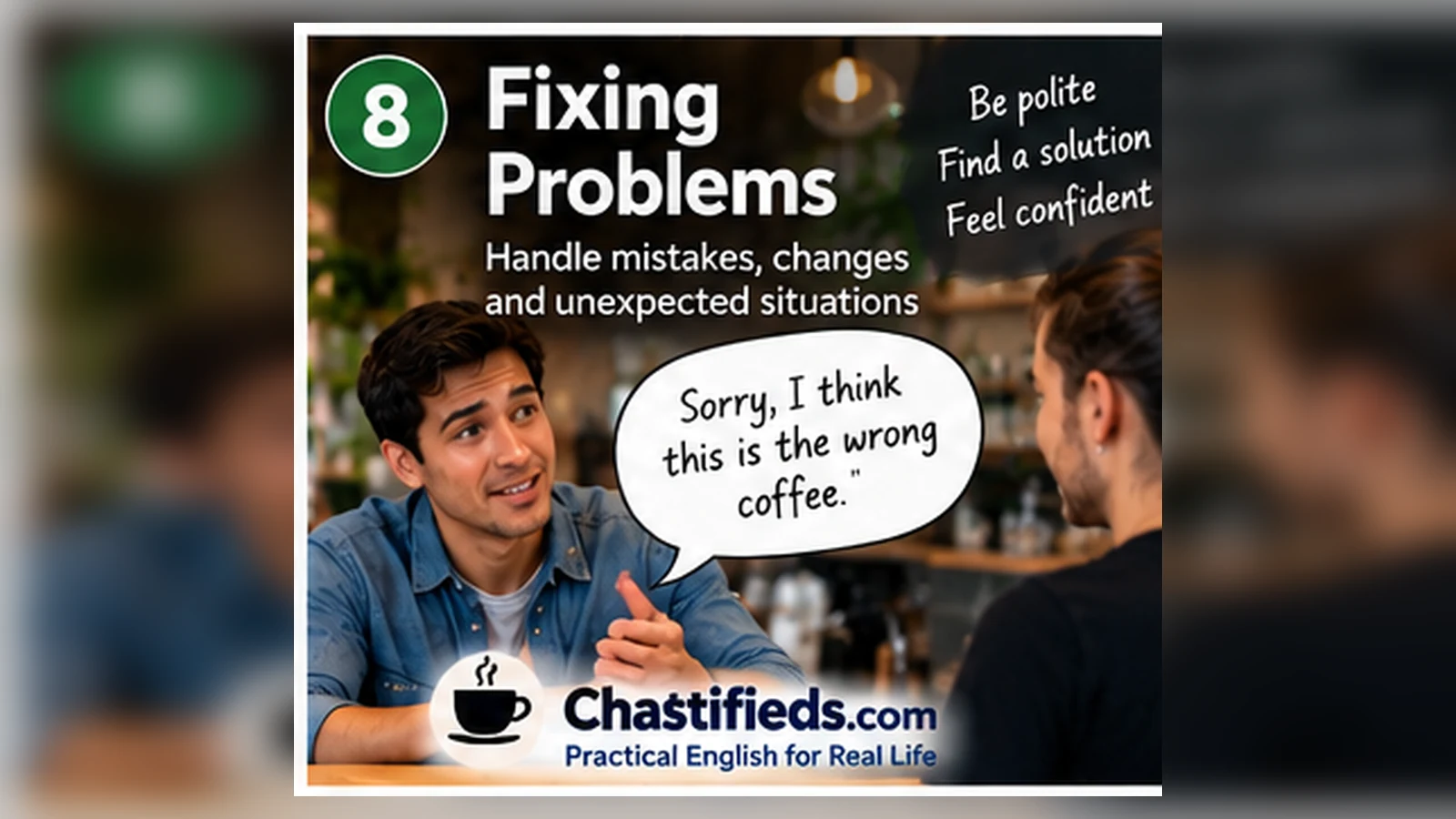
"What milk was that?" means the barista wants you to repeat or confirm the milk choice. It does not mean you made a mistake. Say the milk name clearly. If you have a food allergy, say so clearly and ask about preparation; do not rely only on a milk substitution.
Understand the Australian context
In a noisy café, the person taking payment, the barista and the customer may all be speaking at once. Repeating a key detail is normal order confirmation.
Milk words you will hear: full cream (regular full-fat dairy milk), skim (lower-fat dairy), oat, soy and almond. Some cafés charge extra for alternative milk. Answer with a short sentence: "Oat milk, please." or "Full cream is fine, thanks.".
A milk preference and a food allergy are different communication tasks. "Oat milk, please" states a preference. "I have a milk allergy" is safety information, so tell staff clearly and ask how the drink is prepared.
Key words and phrases
- full cream
- Regular full-fat dairy milk.
- skim
- Lower-fat dairy milk.
- oat milk
- Plant-based milk made from oats.
- soy milk
- Plant-based milk made from soy.
- almond milk
- Plant-based milk made from almonds.
- confirm
- Check that information is correct.
- surcharge
- An extra charge.
- cross-contact
- When an allergen gets into food or drink by accident.
Conversation practice: confirming the milk
Customer: Could I get a latte with oat milk?
Barista: Sorry, what milk was that?
Customer: Oat milk, please.
Barista: No worries. Regular?
Customer: Yes, thanks.
Barista: There is a surcharge for alternative milk. Is that okay?
Customer: That is fine, thanks.
Barista: Full cream okay for the second one?
Customer: Actually, I said soy milk for that one.
Barista: Got it, soy. Name for the order?
Customer: Paul, thanks.
Barista: Great. We will call your name.
- "What milk was that?" is a confirmation, not criticism.
- "Actually, I said soy" corrects a mistake politely.
- The barista mentions a surcharge before the drink is made.
More useful phrases
- Oat milk, please.
- I would like oat milk.Use it: Answer "What milk was that?".
- Full cream is fine, thanks.
- Regular dairy milk is okay.Use it: Confirm full cream.
- Sorry, I said soy milk.
- The milk should be soy.Use it: Correct a mistake.
- Is there a surcharge for alternative milk?
- Is oat milk extra?Use it: Ask about cost.
- What milk was that?
- Which milk did you ask for?Use it: A question you may hear.
- Any milk preference?
- Which milk do you want?Use it: A question you may hear.
- I have a milk allergy. Could I please check how this is prepared?
- Milk is a safety issue for me.Use it: State an allergy clearly.
- Sorry, could you say that again?
- Please repeat what you said.Use it: Use this when you miss a word.
- Thanks, have a good one.
- Thank you, and I hope your day goes well.Use it: A friendly way to finish.
Say it in a real conversation
Use these sentences in a real conversation. The replies you hear will change from place to place.
| When | You can say | It means |
|---|---|---|
| Answer "What milk was that?". | Oat milk, please. | I would like oat milk. |
| Confirm full cream. | Full cream is fine, thanks. | Regular dairy milk is okay. |
| Correct a mistake. | Sorry, I said soy milk. | The milk should be soy. |
| Ask about cost. | Is there a surcharge for alternative milk? | Is oat milk extra? |
| A question you may hear. | What milk was that? | Which milk did you ask for? |
| A question you may hear. | Any milk preference? | Which milk do you want? |
Listen for the key words in the reply and answer in a short, clear sentence.
What you might hear
“What milk was that?”
Repeat your milk choice.
“Full cream okay?”
Confirm or choose another milk.
“Any milk preference?”
Say the milk you want.
“There is a surcharge for alternative milk.”
The cafe charges an additional amount for that option.
Say it aloud: answer "what milk was that?"
Saying a sentence out loud before you need it makes real conversations easier. Accents differ, so aim to be clear, not perfect.
- Slow. Read the sentence slowly, one phrase at a time.
- In full. Say: Oat milk, please.
- At normal speed. Say it again, as you would in a real conversation.
- Listen. Listen for the key words in the reply.
Practice 1: Role-play with a partner
Situation: The barista asks "What milk was that?". Confirm your milk choice and ask about the surcharge.
Work with a friend, a classmate or your mirror. One person is the barista. The other is customer. Read the lines, then cover the “You could say” answers and try it from memory. Swap roles.
barista: “Hi, how can I help?”
You could say:
- “Could I get a latte with oat milk?”
- “Oat milk, please.”
barista: “Sorry, what milk was that?”
You could say:
- “Oat milk, please.”
- “Sorry, I said soy milk.”
barista: “No worries. Regular?”
You could say:
- “Yes, thanks.”
- “Full cream is fine, thanks.”
barista: “There is a surcharge for alternative milk. Is that okay?”
You could say:
- “That is fine, thanks.”
- “Is there a surcharge for alternative milk?”
Challenge: Do the conversation again without looking at the lines, and change one detail.
Practice 2: Fill the gap
Say the missing word or phrase out loud before you open the answer.
Full ___ is fine, thanks.
Show answer
cream — The phrase means: Regular dairy milk is okay.
Is there a surcharge for ___ milk?
Show answer
alternative — The phrase means: Is oat milk extra?
I have a milk allergy. Could I please check how this is ___?
Show answer
prepared — The phrase means: Milk is a safety issue for me.
Regular full-fat dairy milk. The word is ___.
Show answer
full cream — "full cream": Regular full-fat dairy milk.
Lower-fat dairy milk. The word is ___.
Show answer
skim — "skim": Lower-fat dairy milk.
Plant-based milk made from oats. The word is ___.
Show answer
oat milk — "oat milk": Plant-based milk made from oats.
Common mistakes and better ways to say it
Less helpful: “Thinking it means you made a mistake.”
Try instead: “Oat milk, please.”
It is just a confirmation.
Less helpful: “Using a casual milk request for an allergy.”
Try instead: “I have a milk allergy. Could I please check how this is prepared?”
Safety information needs to be clear.
Less helpful: “Mumbling the milk name.”
Try instead: “Oat milk, please.”
Say the milk clearly.
Less helpful: “Not asking about extra cost.”
Try instead: “Is there a surcharge for alternative milk?”
Ask before you pay.
Say it clearly, say it again
Cafés are noisy, so repeating a milk choice is normal. A short, clear answer helps everyone.
If milk is an allergy issue, say "allergy" and ask about preparation. This lesson is English practice, not medical advice.
Advertisement
Real-life mission
Practise five milk answers.
You do not need to buy anything. Saying the sentences aloud is good practice.
Phrase Wall practice: phrases to own
Open a phrase to see it on the Phrase Wall, practise it, and save it to My Learning.
- “What milk was that?”Which milk did you ask for?
- “Is there a surcharge for alternative milk?”Is oat milk extra?
- “Oat milk, please.”I would like oat milk.